
Hello again people and pooches. Jor the Cocker here to tell you about one of our favourite local villages. Overton-on-Dee is locally known as Overton or by its Welsh name of Owrtyn. We have to drive to Overton as it is about 4 miles away along a fast winding road with no pavement. We usually walk along the footpaths in the area on the outskirts of the village, but sometimes we walk around the village while my human grabs a takeaway coffee from the Corner Shop. On this occasion, we walked around the village, and my human indulged his obsession in taking photographs of everything that didn’t move! I, on the other paw, indulged myself in sniffing everything that didn’t move and, of course, every pooch that we came across. You wouldn’t understand unless you are one of my pooch readers!
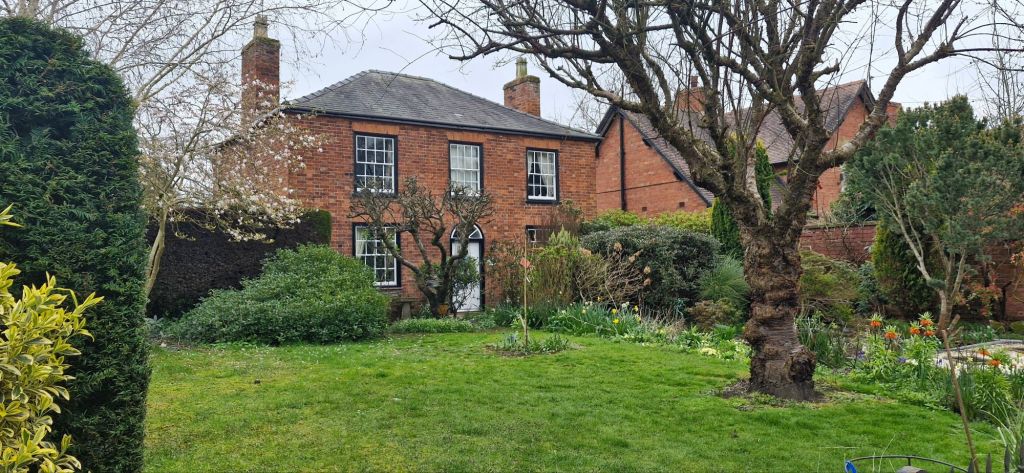
We parked on the roadside just as we entered the village on the Wrexham Road, opposite the gates to the former entrance to Bryn-y-Pys Hall.
My human was in a singing mood on this day. After watching Wales Women getting beaten by England Women in the Six Nations Rugby on the previous day, he had a Welsh folk song that the fans sing, in his head. Yma o Hyd by Dafydd Iwan was today’s treat for me. “Ry’n ni yma o hyd’ means ‘We Are Still Here’ and ‘Er gwaetha pawb a phopeth’ means ‘in spite of everyone and everything.’ Once a song is in his head, he has to sing it. Why? Someone explain to me!

My human took a photo of the Grade ll Listed gates, but there was a van and a car blocking the view, so he has included one from the British Listed Buildings website. The hall was built in the 1730s and was remodelled in the 1850s. Unfortunately, it fell into a state of disrepair and was demolished in 1956.

To the right of the gates is Bryn-y-Pys Lodge, another Grade ll listed structure. The lodge stands at the entrance to the estate of the former hall. It was built in 1875 by John Douglas, who also drew up the plans for the remodelling of the hall.
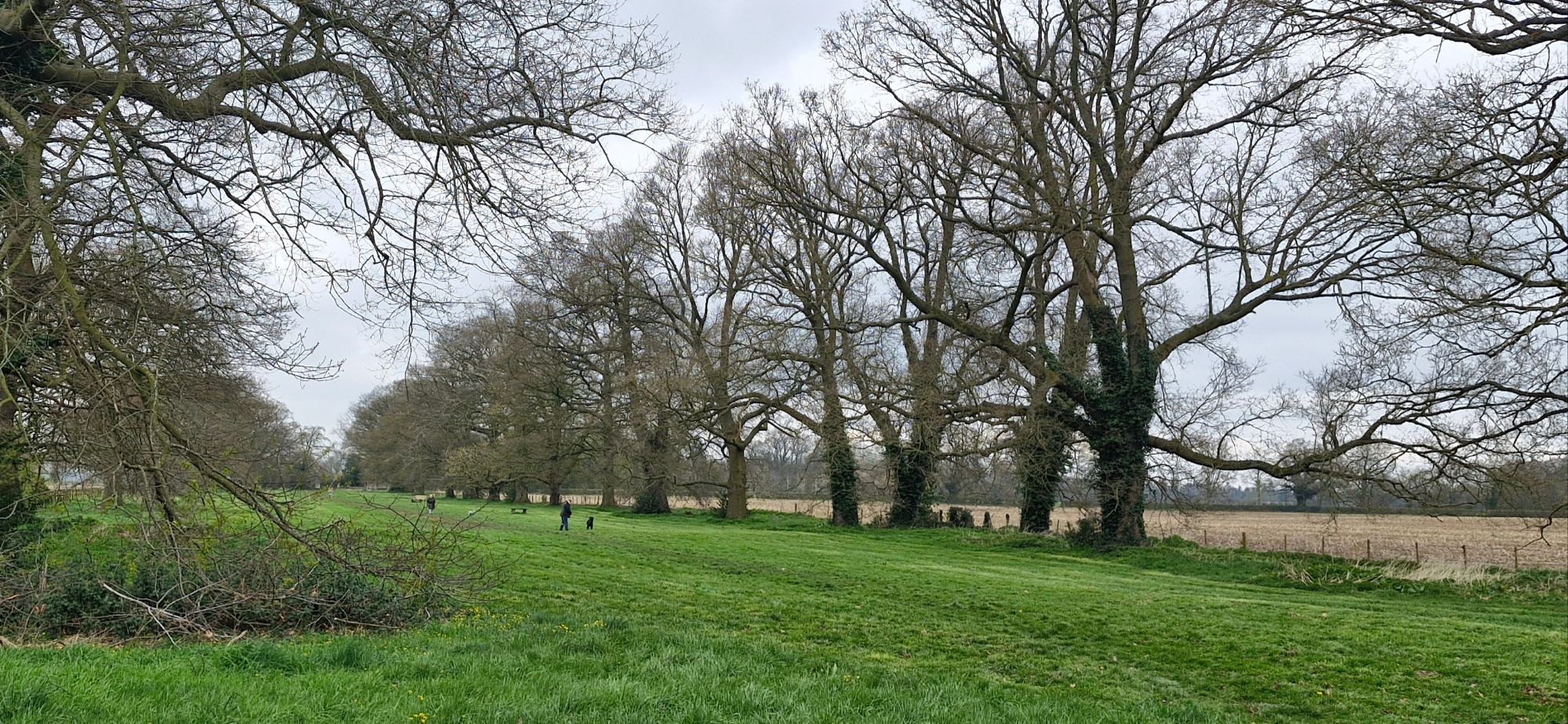
The gates were the entrance to a long and wide tree-lined avenue to the hall. Today, it is a popular dog walk. Sadly, not for me on this occasion as the big meanie wanted to walk around the village.
My human stopped for a while to talk to a lovely man who was working in his garden. The man was telling him how much the village had changed over the years. I was well-behaved and sat by the big fellers’ feet while he listened intently. In my opinion, you humans overcomplicate life. Not once did I hear treats, walkies, treats, toys, or treats mentioned in the conversation. Boring!

We continued along Wrexham Road towards the village centre. My human was engrosed in taking photographs of all the beautiful houses in the area. There are so many listed buildings in the village that all deserve a mention, but he decided to show a selection on here. The village is definitely worth a visit and research if you are interested in the history and architecture of the area. One row of listed buildings that grabbed my humans attention was Dispensary Row. Built in 1816 for the Bryn-y-Pys estate. It is thought that the name was given to the eight terraced cottages because a number of district nurses occupied properties. Really?
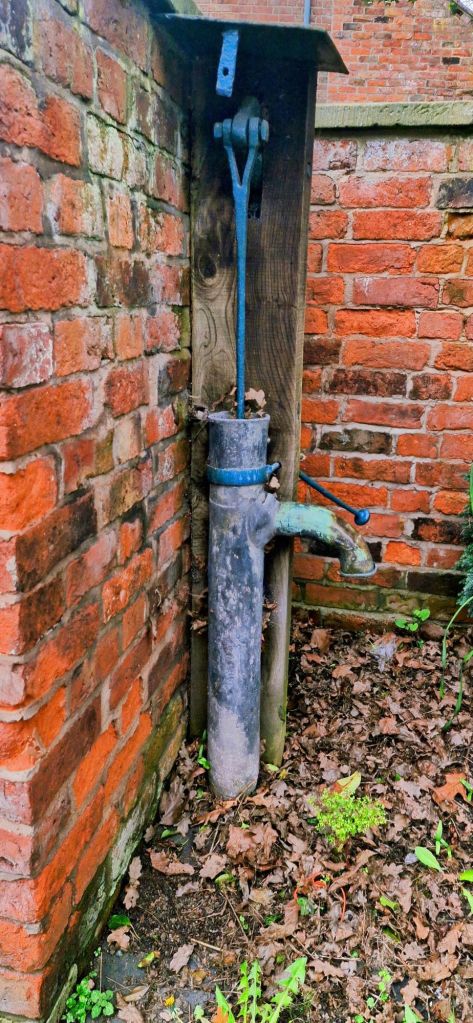
As we passed Pendas House on the corner of Turning Street, we found one of the villages old water sources. Water would be hand pumped into buckets to be carried to nearby homes. My human wouldn’t pump any water for me!
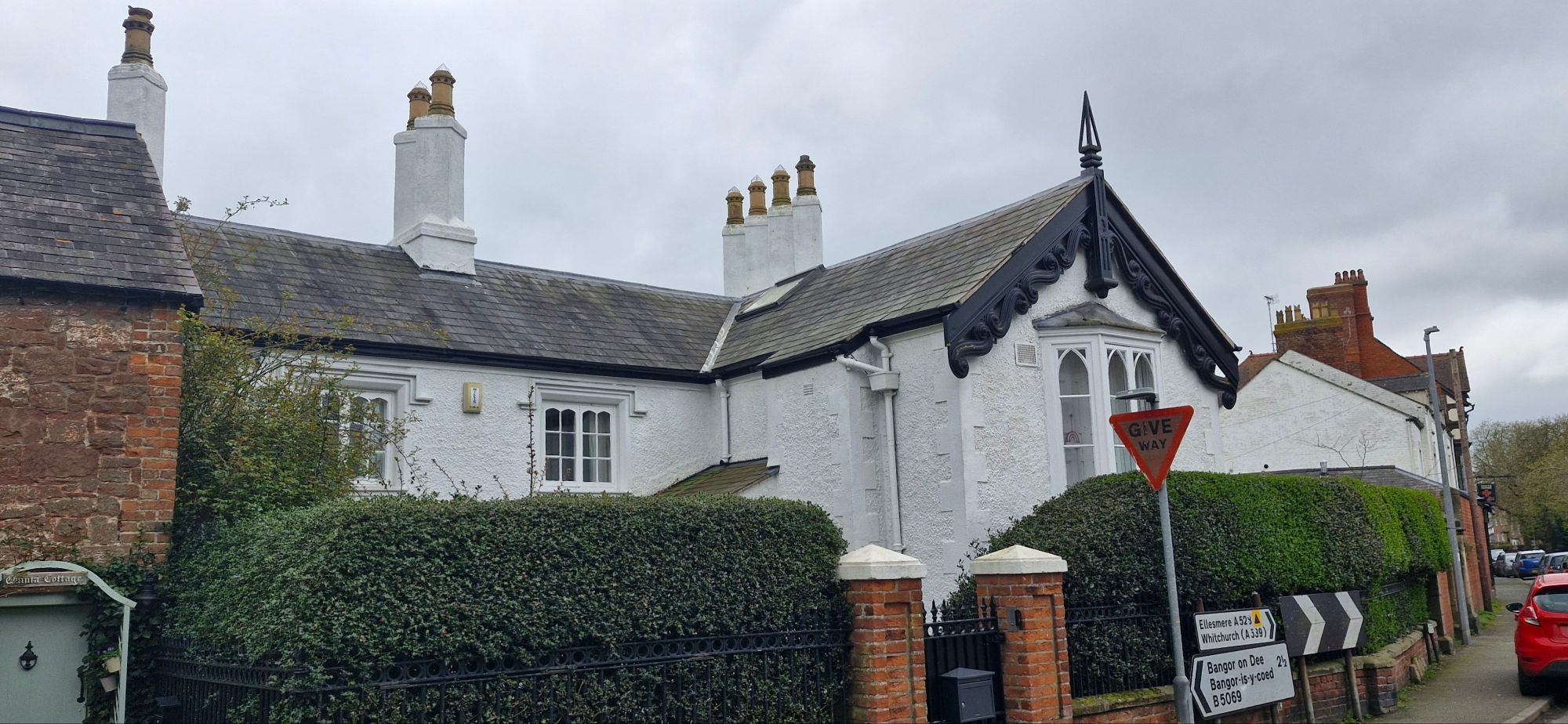
As the A528 bears right and becomes High Street, we turned left into Turning Street. Ahead of us is the Quinta, a rouughcast rendered building from the 1830s.
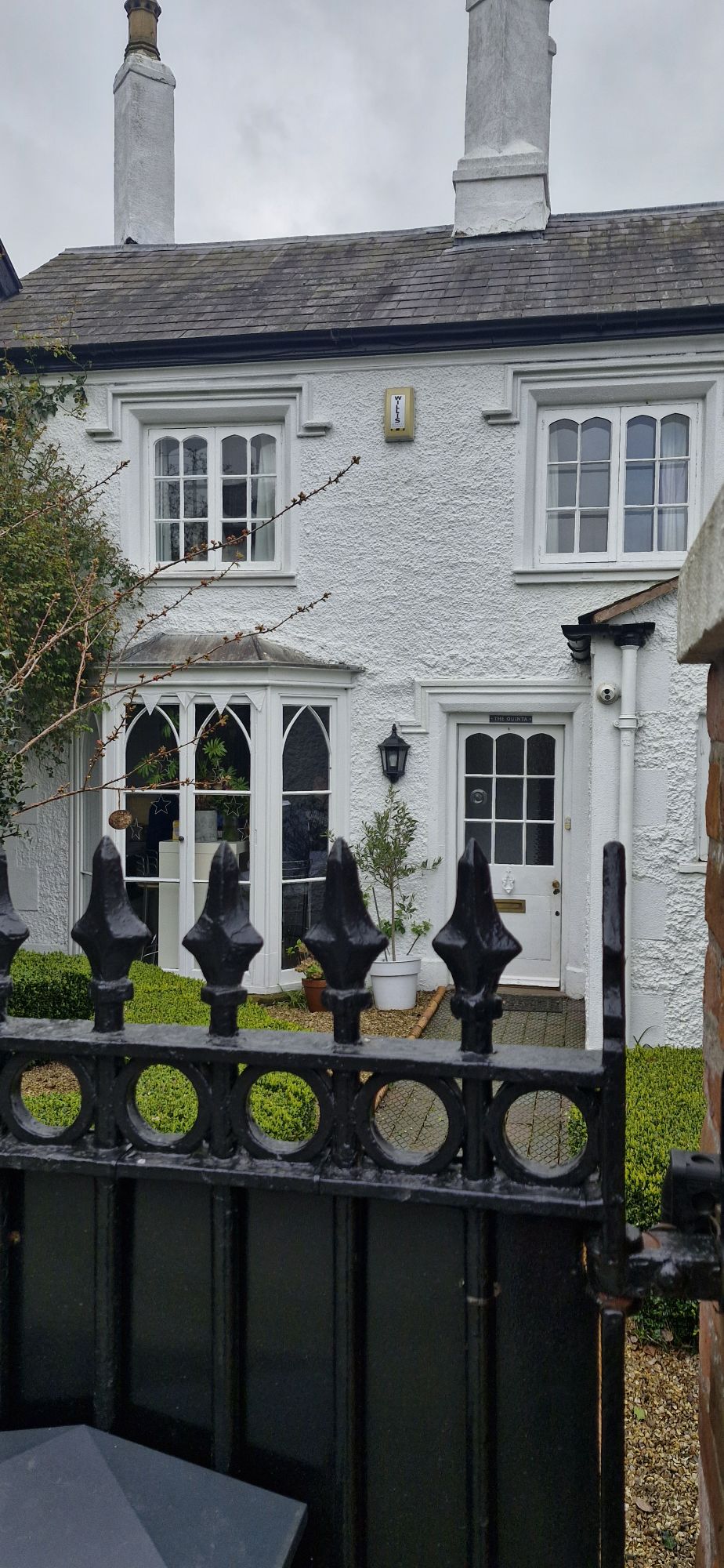
We walked for a few hundred yards along the Turning as we passed a number of early 19th century houses.

My human walked very slowly along the Turning as he admired the lovely old buildings.

We turned right when we reached School Lane. After a short distance, we came to Dark Lane on the right, a narrow road leading alongside St. Mary’s Church graveyard. At the end of the lane, we entered the graveyard on our left.

St. Mary The Virgin Church is an Anglican church that stands on the site of a 7th century wattle and daub oratory. The first stone built church was constructed in the 12th century. During the late 14th century, a larger church was constructed with the tower dating from that time. Since then, many alterations have been made, particularly after parliamentary troops passed through the village in the 1640s.

The church has been extended and spectacular stained glass windows added.
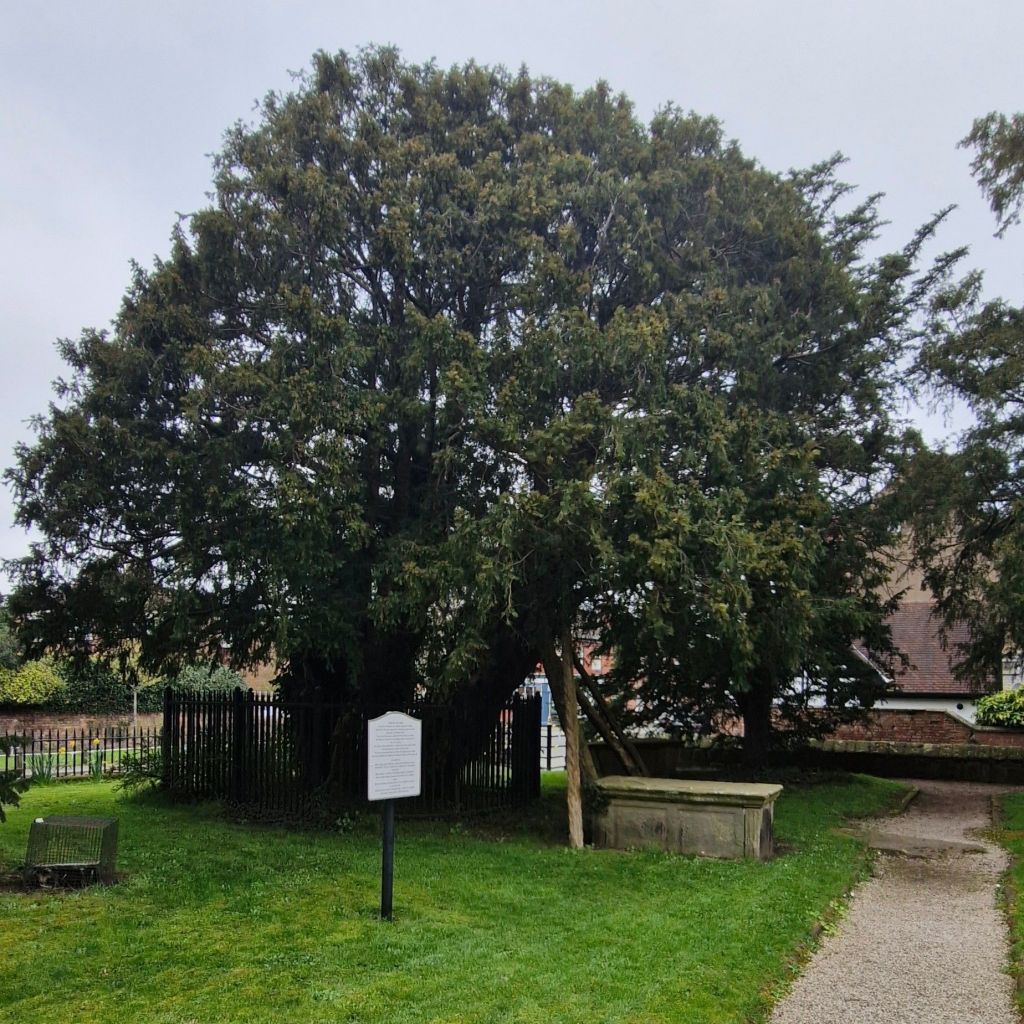
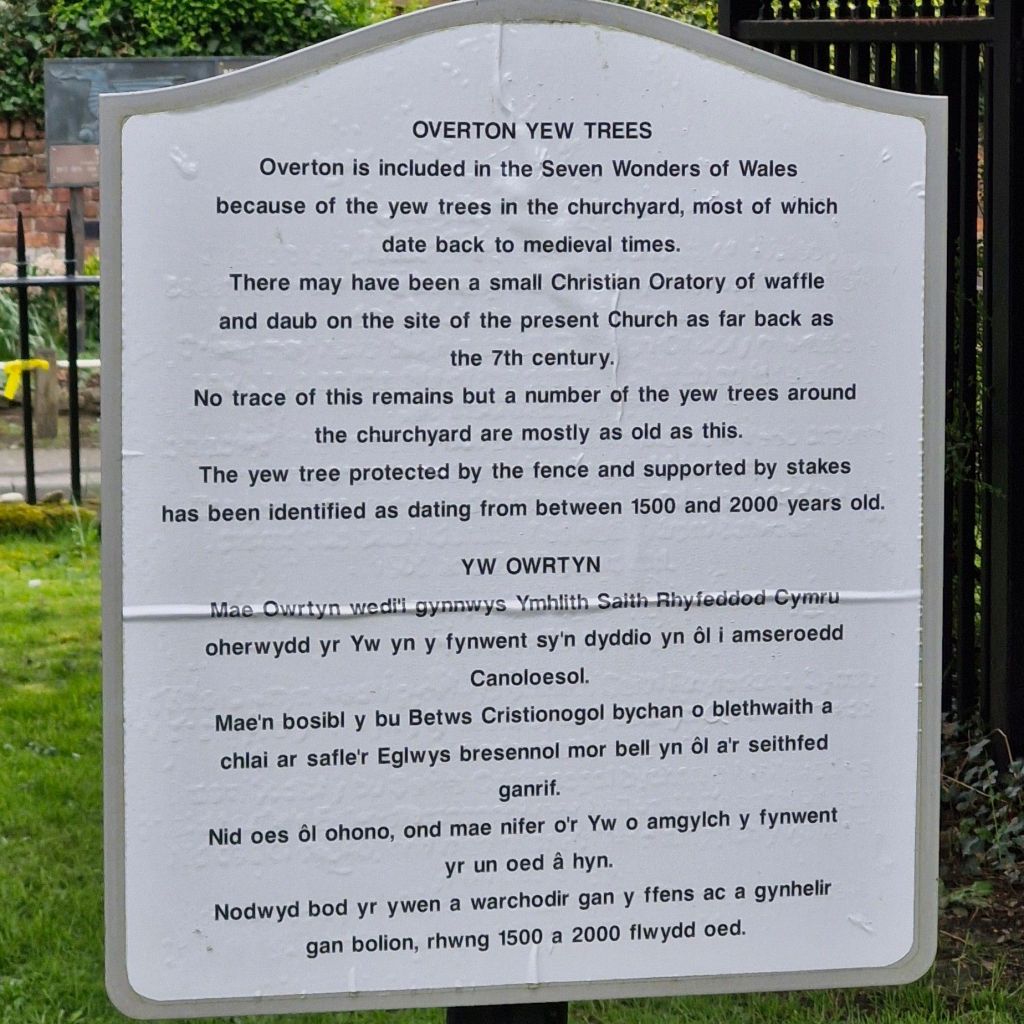
There are 21 yew trees within the church grounds. The area is one of the Seven Wonders of Wales. One particular tree is estimated to be between 1500 and 2000 years old.
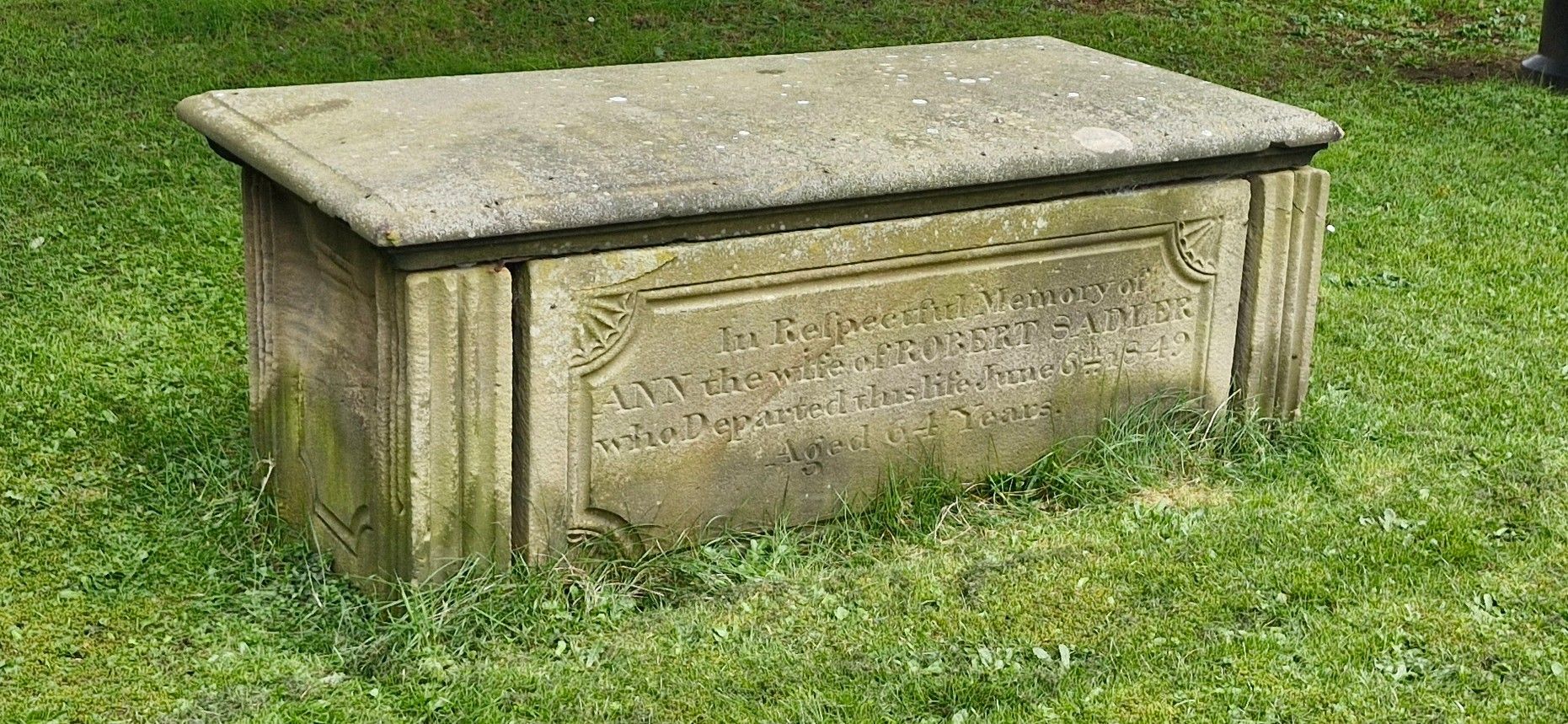
There are four Commonwealth War Graves within the graveyard, along with many graves from the early 19th century.
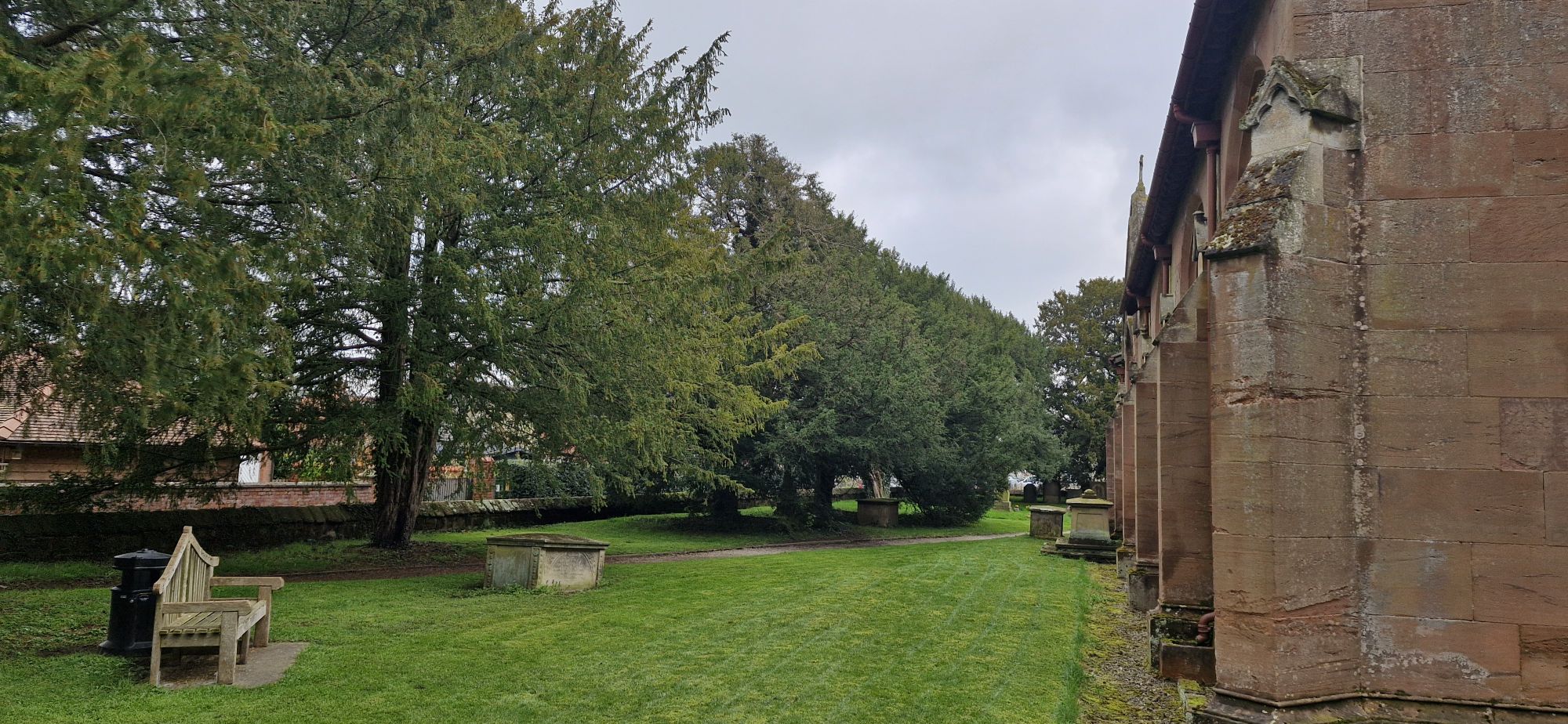
We walked around the paths within the churchyard, and my human commented on how clean and tidy it was and how well kept the graveyard was.
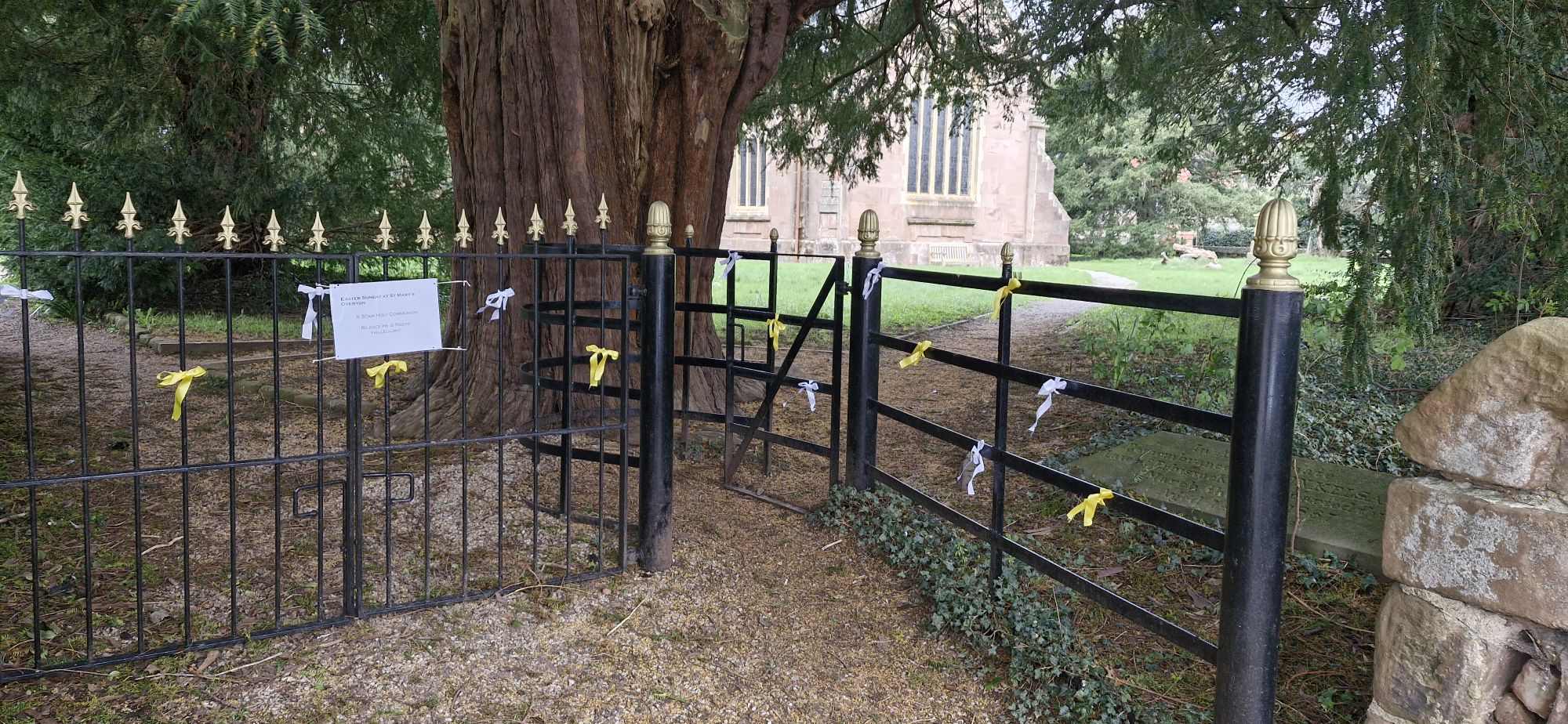
We left through the gate onto Church Road in the eastern corner of the graveyard, The gates were adorned with coloured ribbons as it was Easter Sunday.

We turned right from the gates and walked along Church Street until we turned right into Pen-y-Llan Street. At the road junction, we passed Overton Methodist Church.
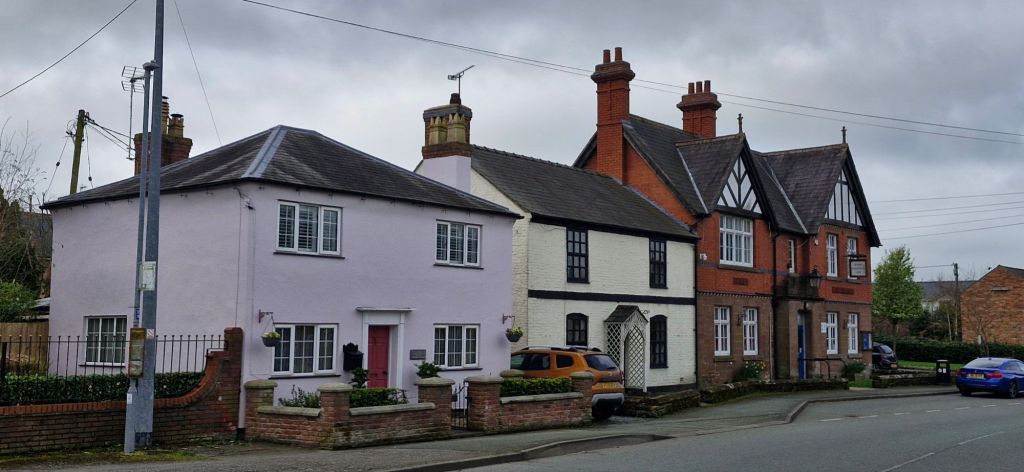
We passed the Library, Overton Academy, and The Cocoa Rooms. The Cocoa Rooms were built in 1890 as part of the Temperance Movement formed to encourage the drinking of less alcohol.
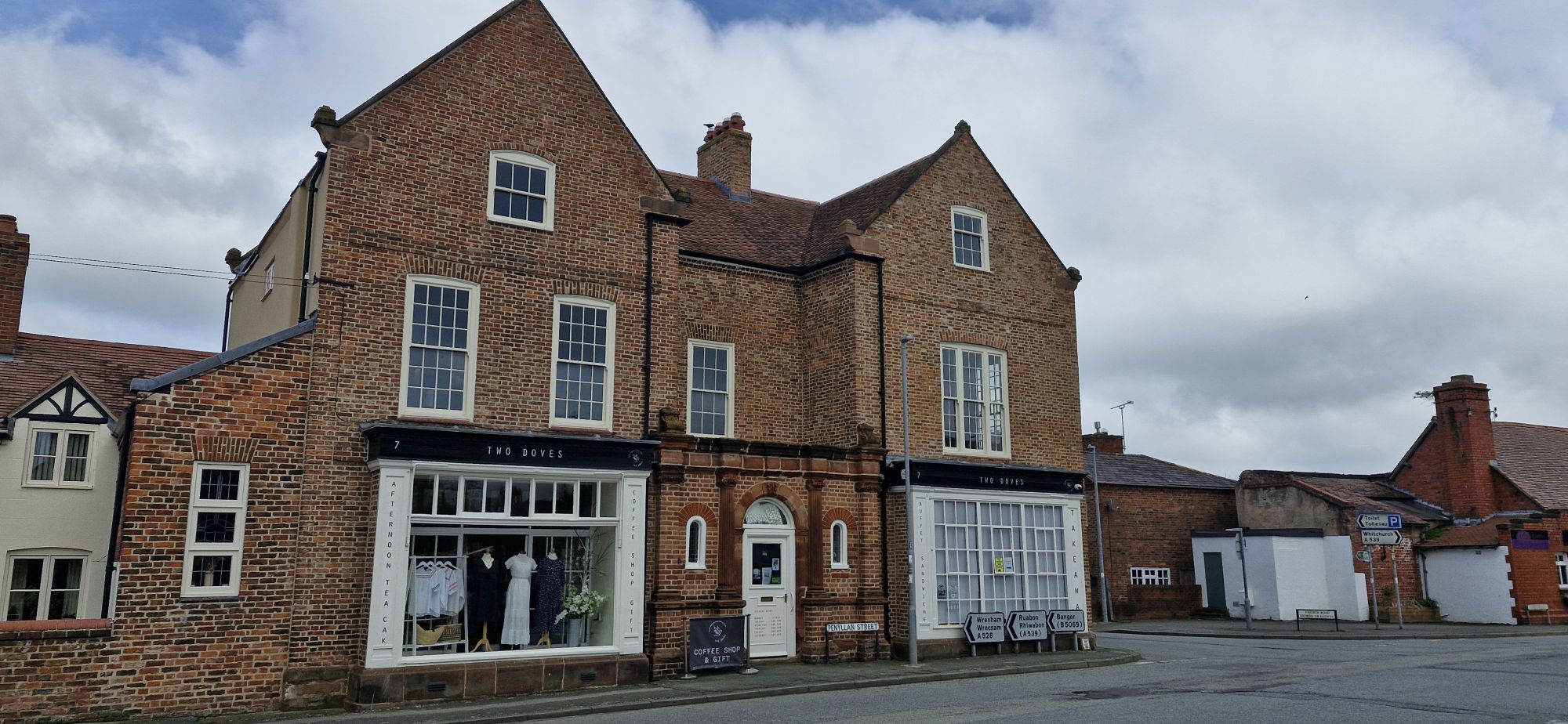
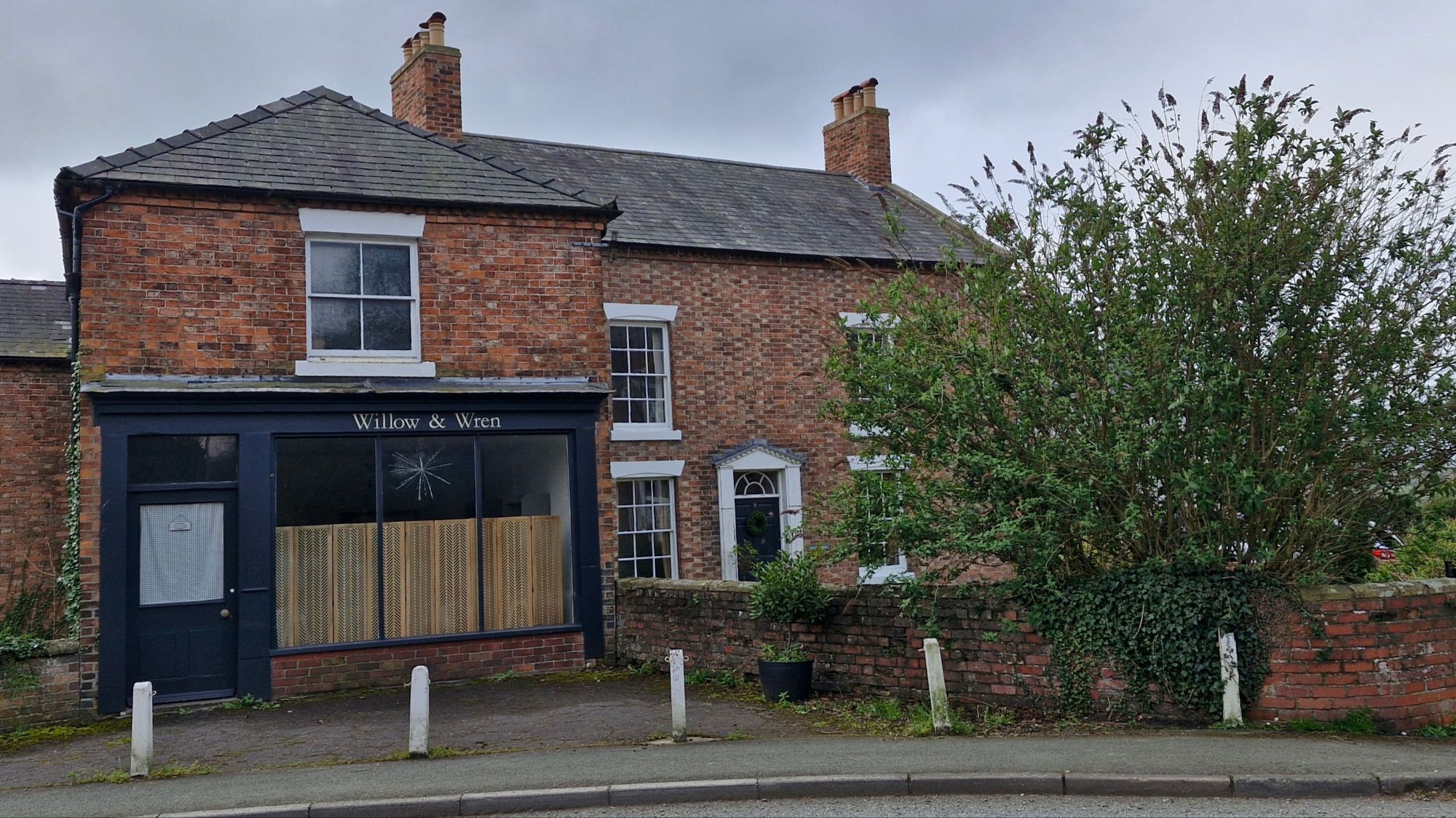
Just before the road bends right and becomes High Street, we passed a couple of shops in old local brick buildings.
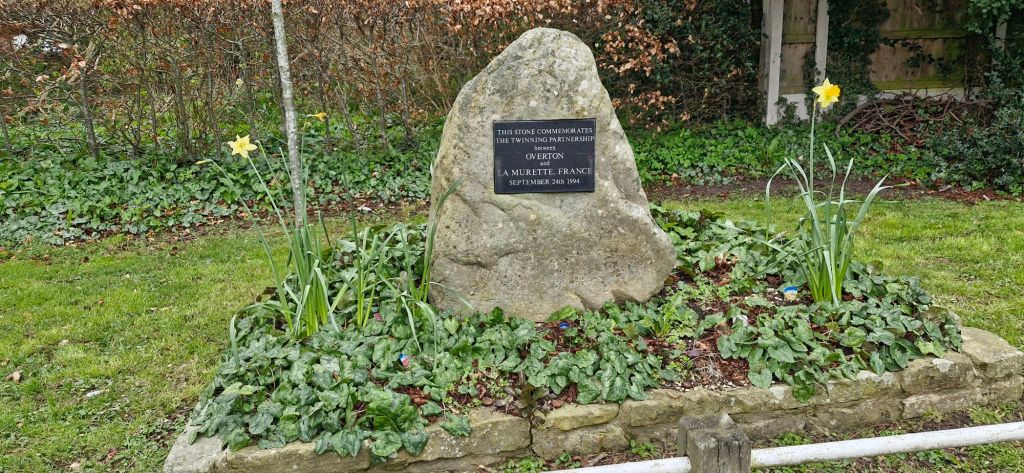
As we headed along High Street on our left, we came across a commemorative stone that marks the twinning of the village in 1994 with La Murette, France.
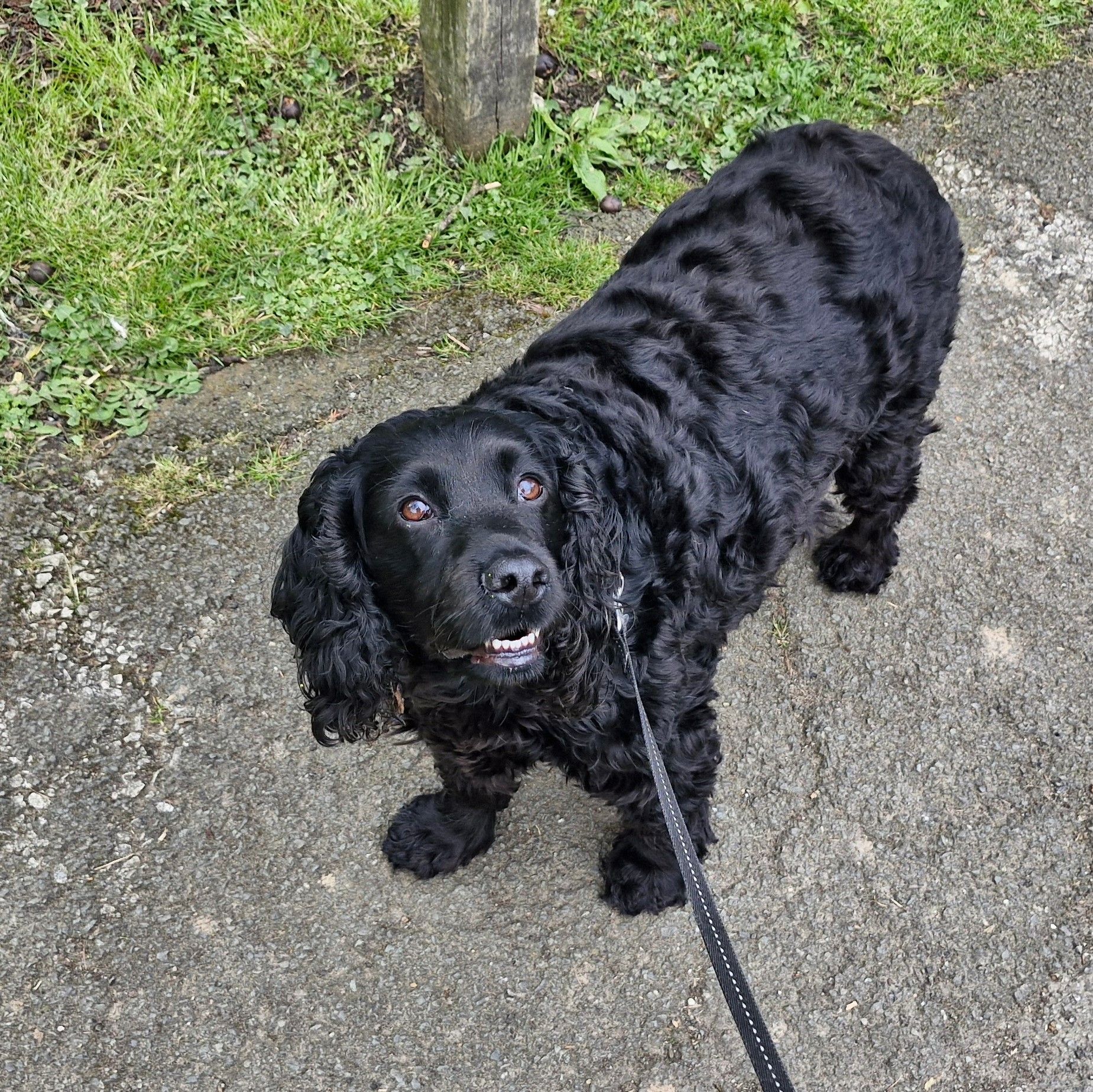
I asked my human to take a photograph of me because I felt like I was being ignored, and I thought that his pockets must have been full of broken glass. Obviously, they were not filled with treats for me!
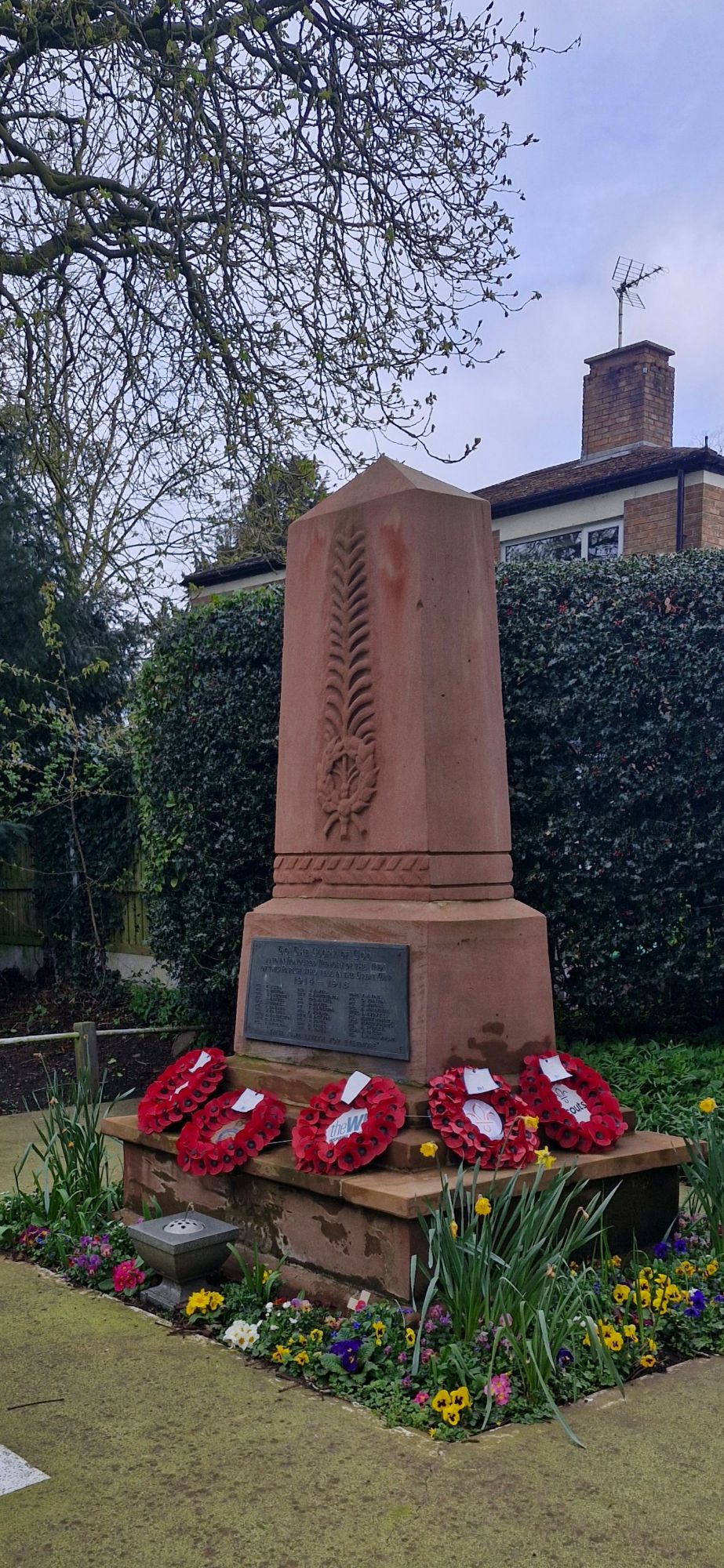
A few yards further along High Street, we stopped at the village War Memorial. It was constructed after the First World War of Red Runcorn sandstone and dedicated on 17th November 1921. A plaque commemorating the Second World War was added later.
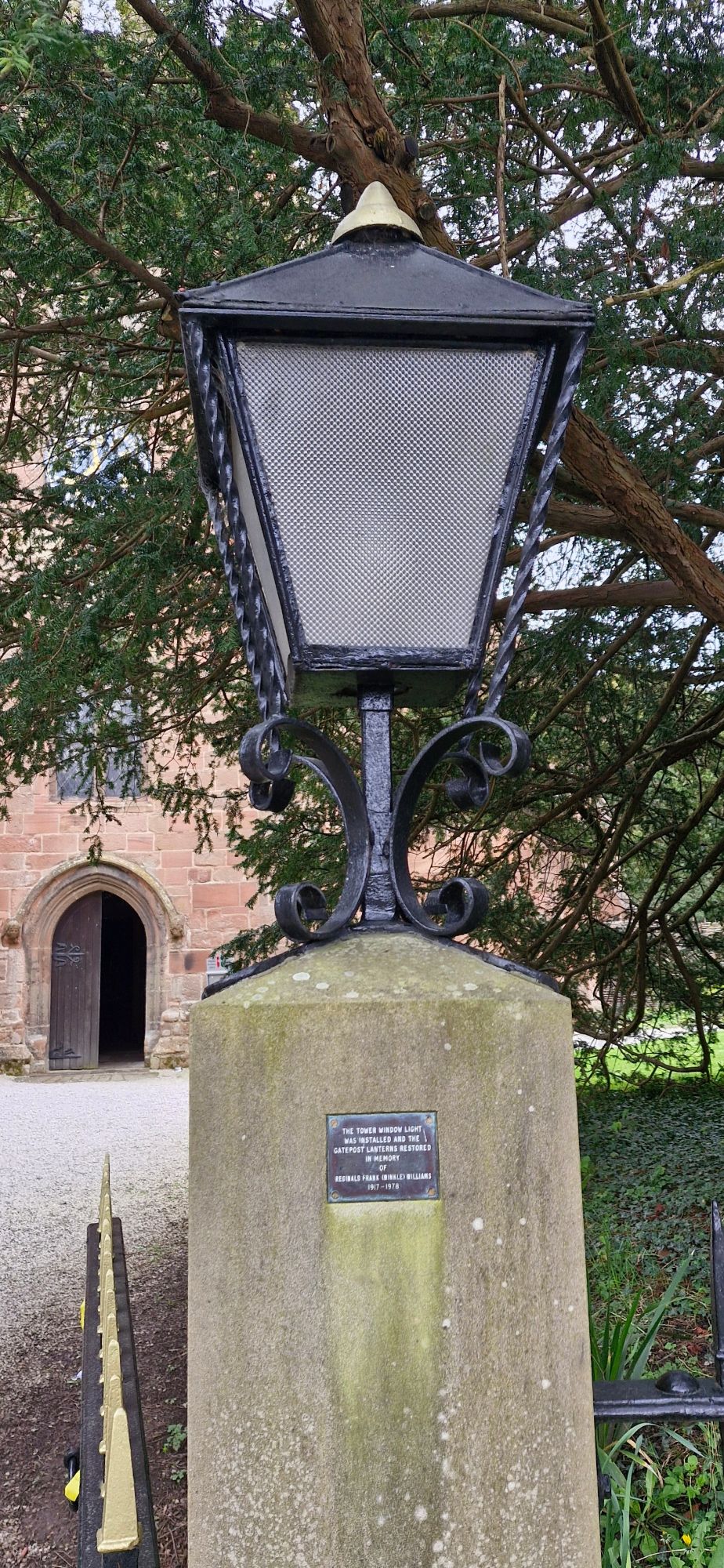
On the opposite side of the road is the front aspect of St. Mary’s Church.

The oldest yew tree can easily be seen from the pavement of the High Street.
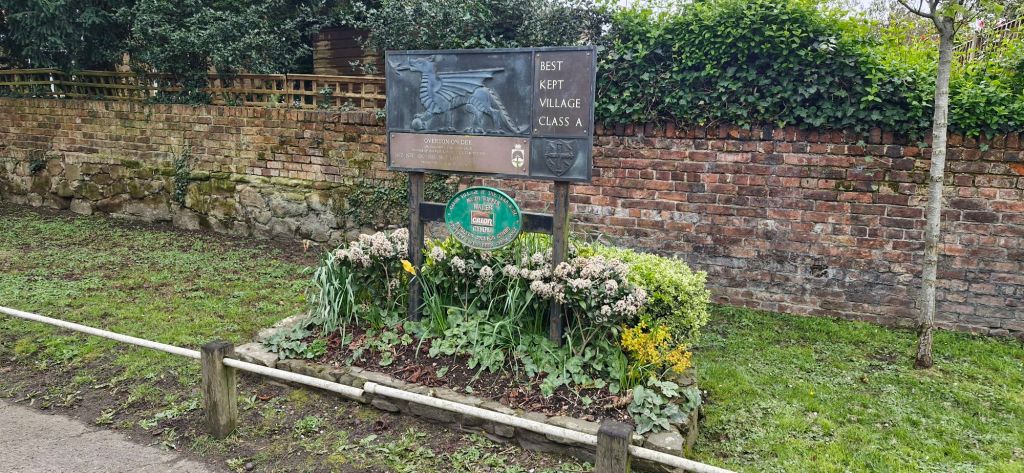
Overton has won the Best Kept Village award and also The Village of the Year Award.
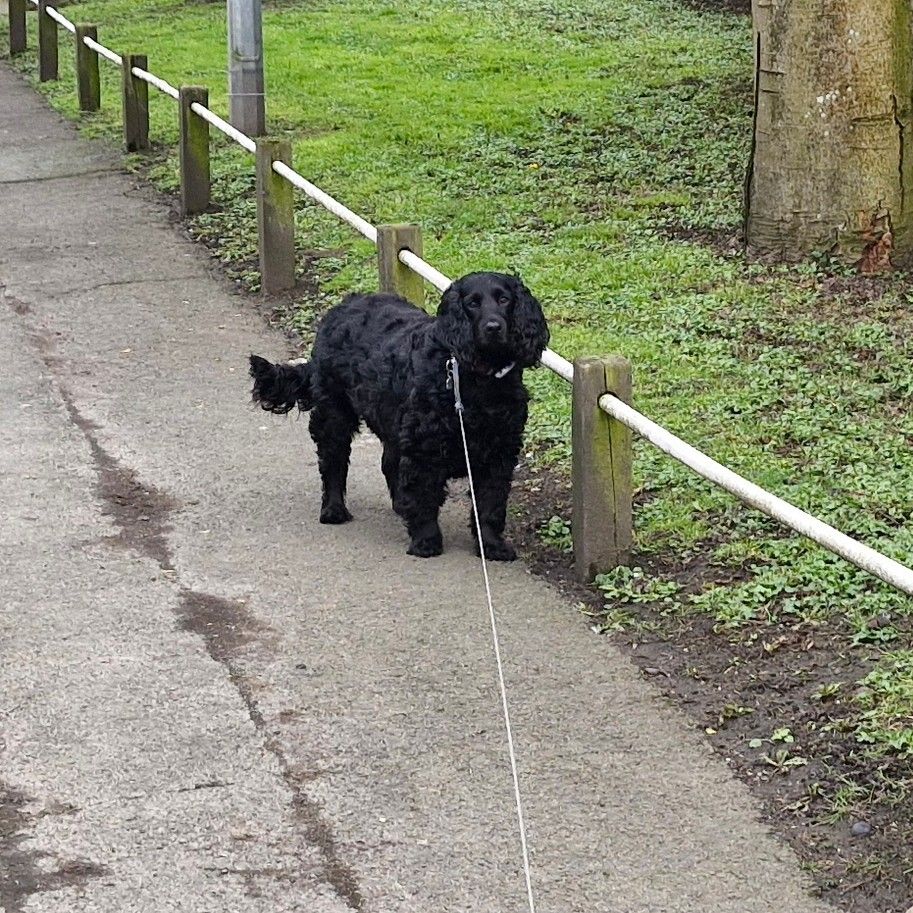
I was beginning to think that I was never going to be fed again, so I stopped and gave him the eyes! It always works!
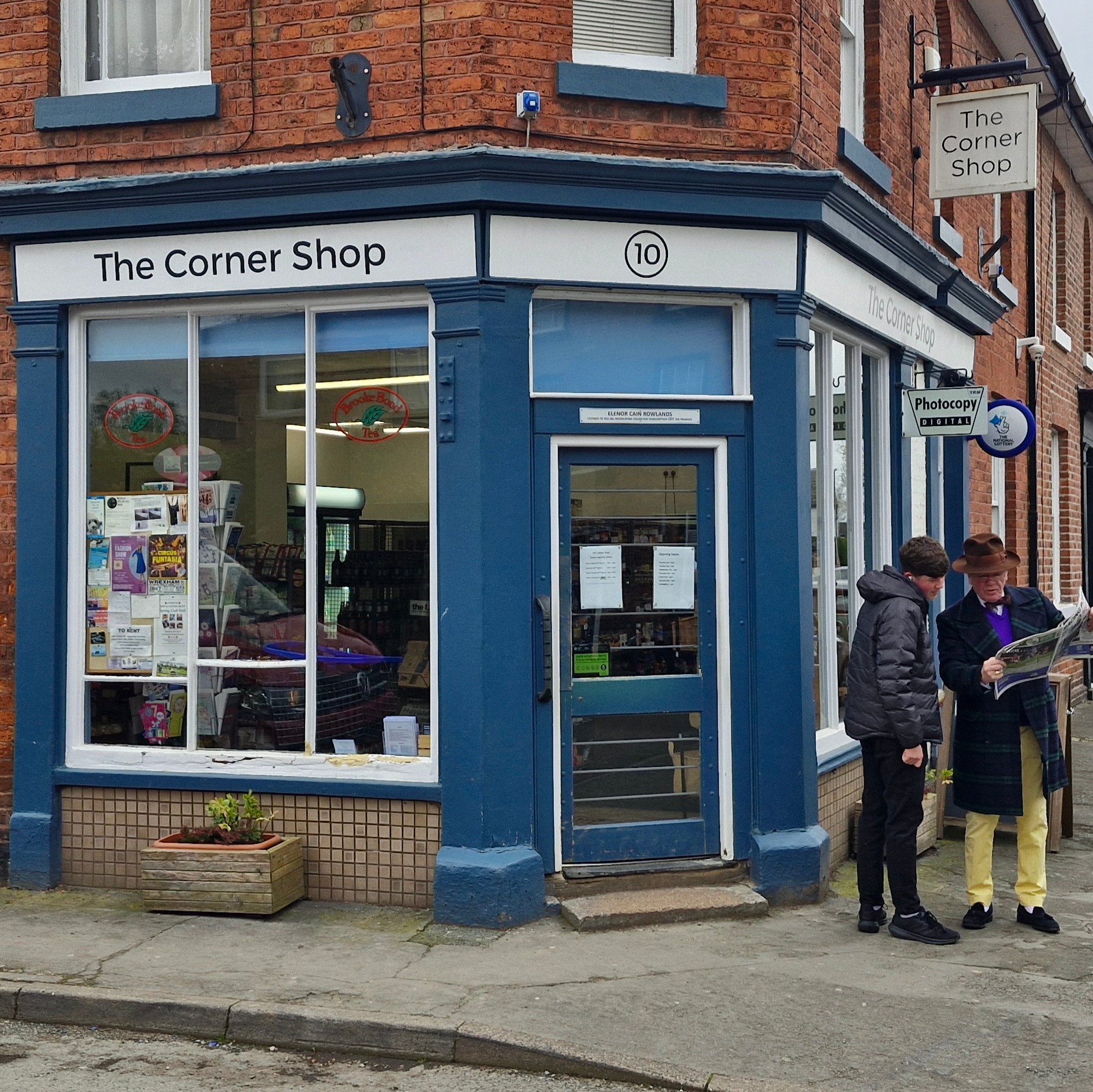
Just in time, as I was about to feint, we came to The Corner Shop. The big feller went in, and a few ‘hours’ later came out with a coffee, for himself and a sandwich for us to share. As he gave me a piece of his cheese and ham sarney, I may have bitten two of his fingers off. I must have done with the way he reacted. Perhaps it was a lesson learned for him not to starve his loyal, well-behaved pooch. An hour and a half is way too long in between treats!
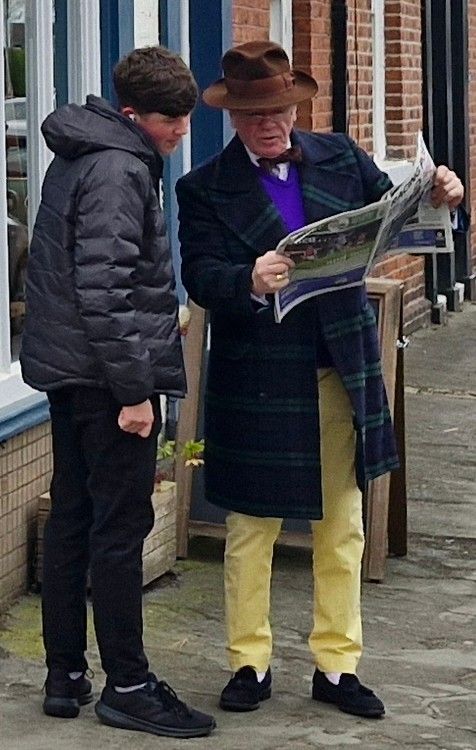
While I was outside waiting, I picked up a good tip for the 1554 race at Market Rasen. Apparently, King of the Road was a dead cert. My dad doesn’t bet, so he wouldn’t let me have a flutter. It came in at 13/2. Gutted! 😀😀
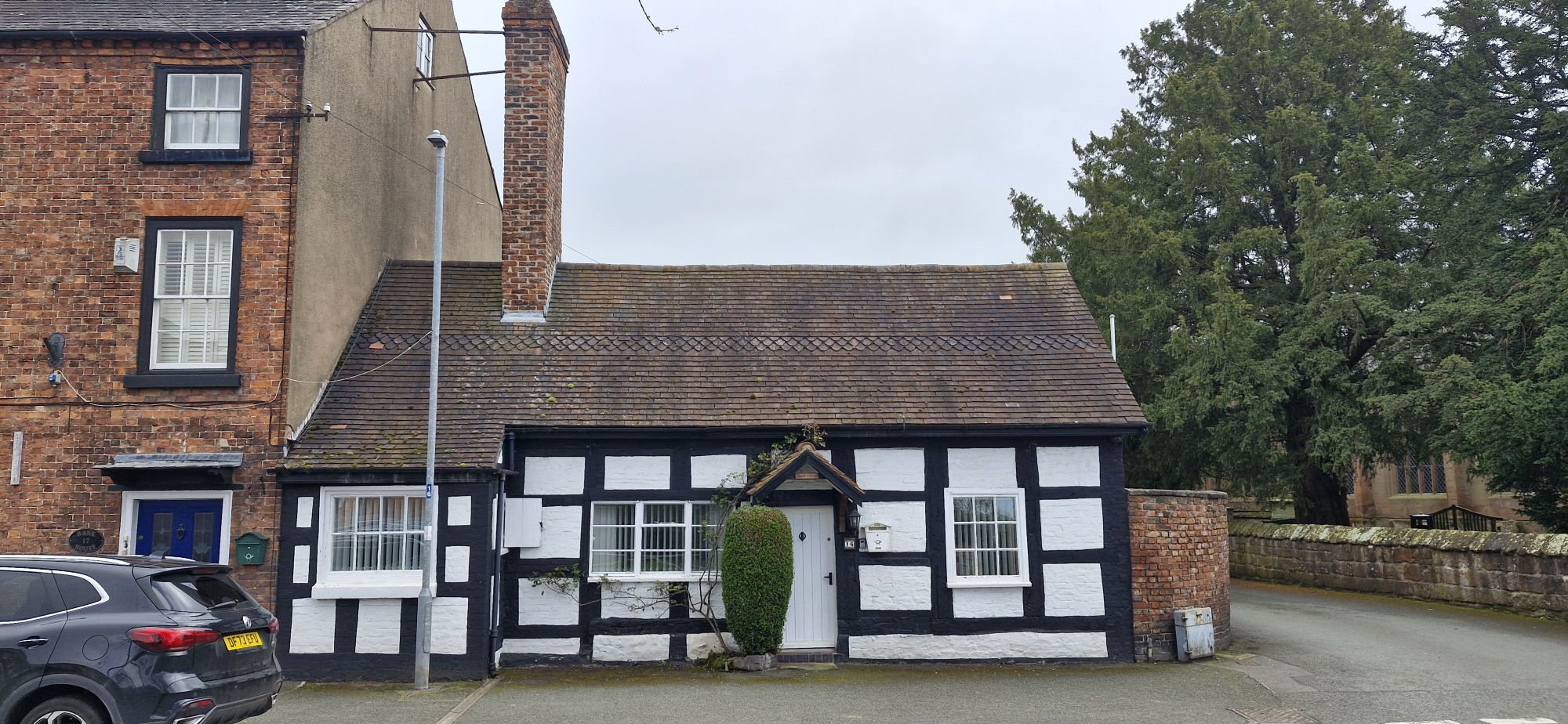
With my blood sugar back to normal, we continued along High Street. Across the road is Church Cottage from either the late 16th or early 17th century.

The row of buildings along the eastern side of High Street are all listed for various reasons. Examples are for age, architecture and as part of an important group of buildings.
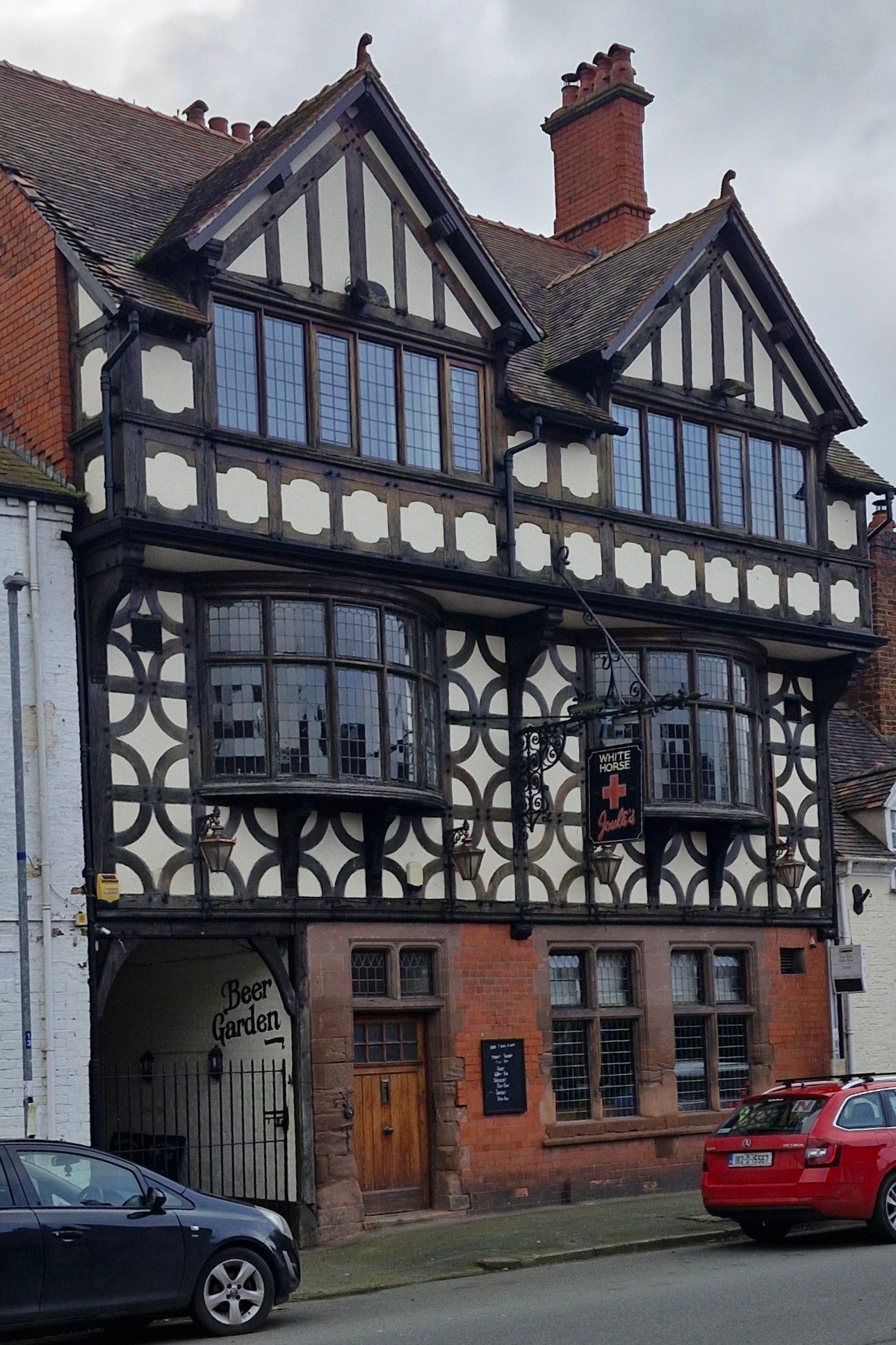
The White Horse Inn is probably the most prominent building. It is an early 20th century rebuilding of an earlier inn.
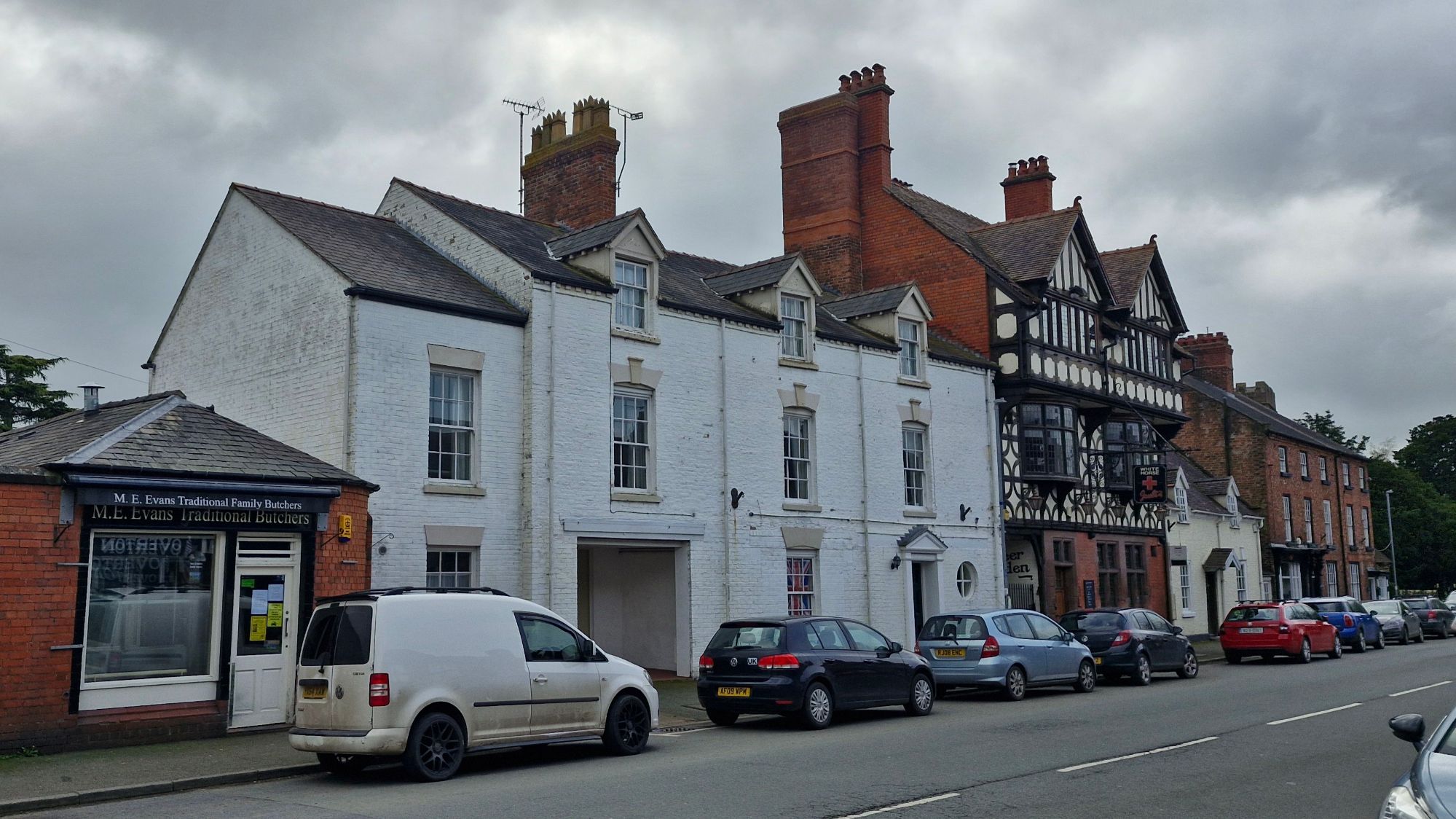
Next to the White Horse stands the Metcalf Building. It is thought to have been built in the late 18th century as a row of three shops with upstairs accommodation.
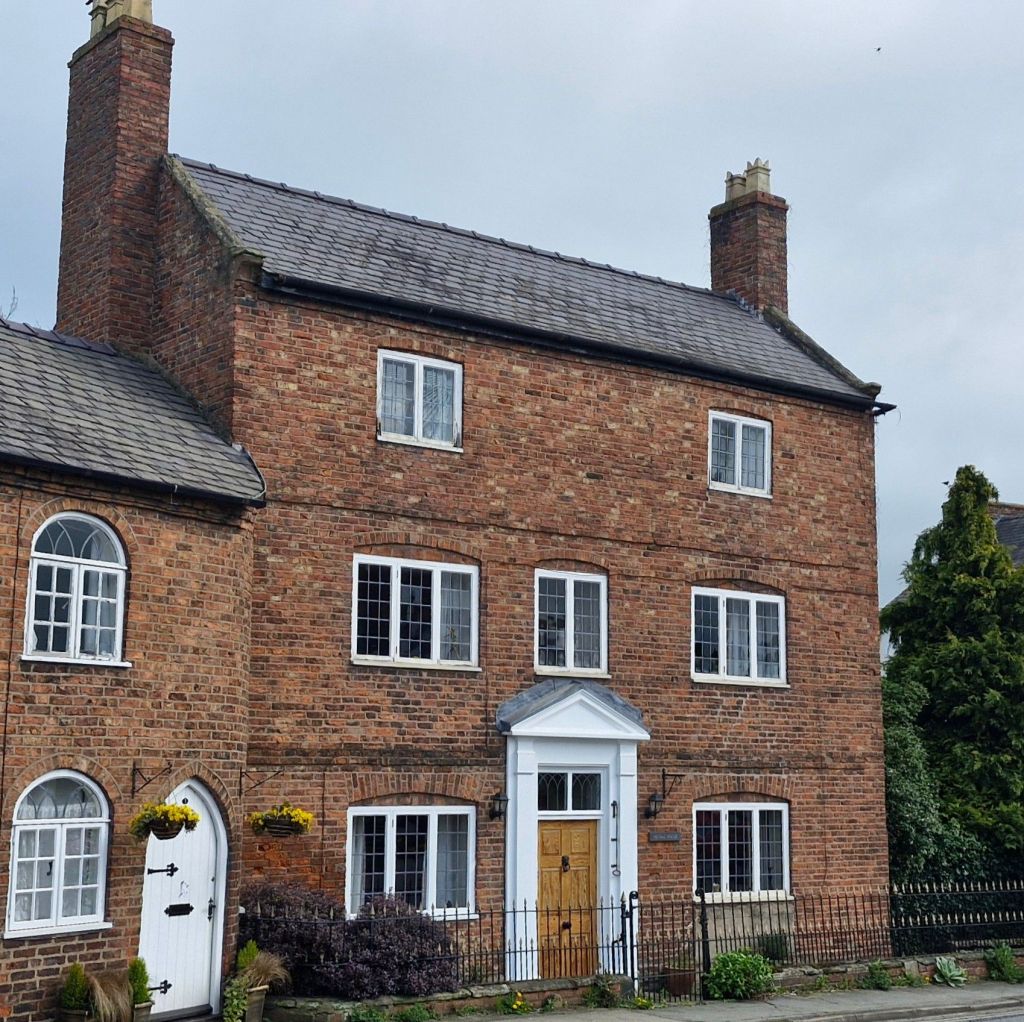
We continued along High Street and turned left as it became Wrexham Road. It was a short walk back to the car with Pendas House, a mid-18th century brick house, at the end of Dispensary Row.
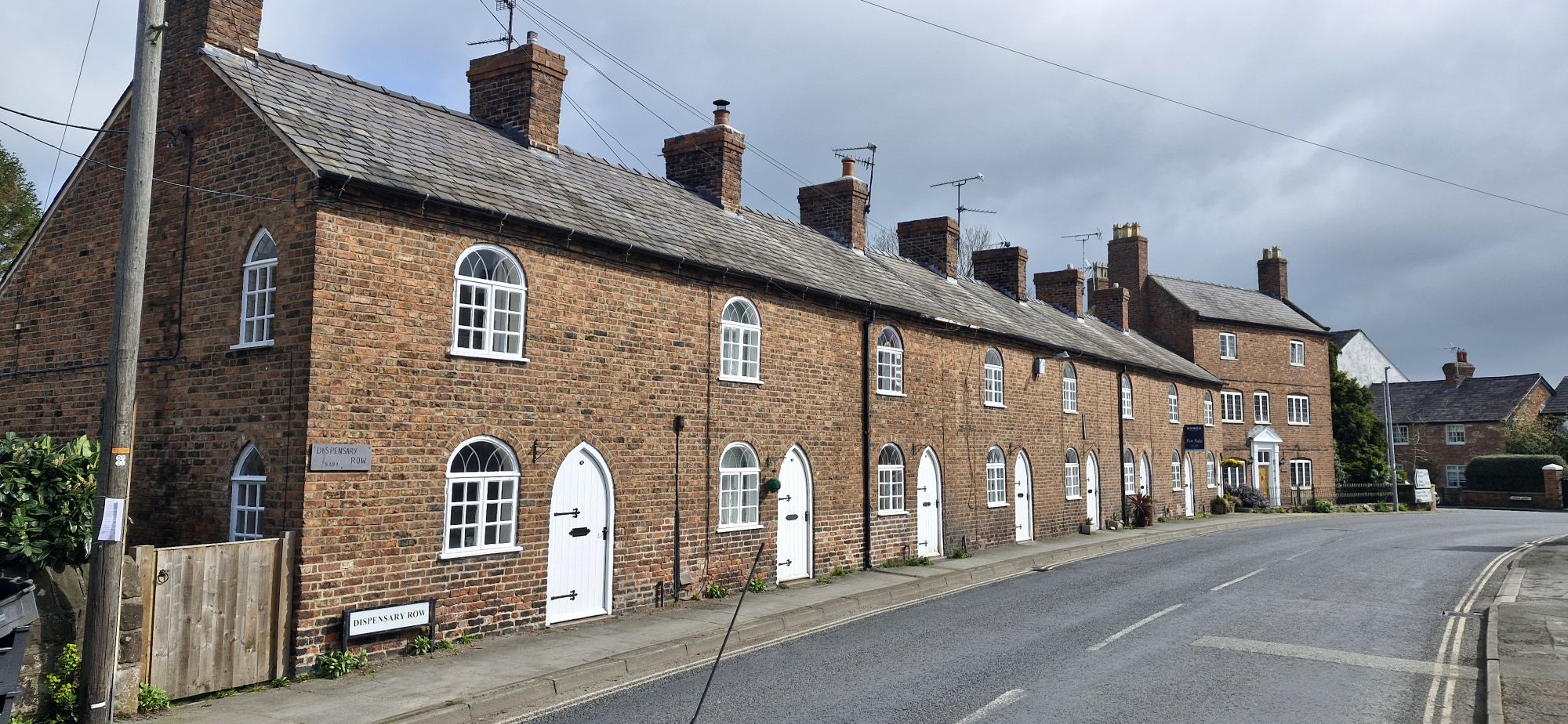
My human couldn’t resist another look at Dispensary Row as we headed to the car.
We will be back in Overton shortly to walk around the village again and to include all the sights that we didn’t include this time. Oh yes, and for me to stretch my legs along the Bryn-y-Pys tree lined avenue. I won’t forget!!! Till next time!
 Joe the Cocker's Hikes
Looks like a lovely place with beautiful buildings.
LikeLike
It’s only small but very pretty 😍
LikeLike
Thanks Joe ( and to your human) for your very interesting account and photographs of Overton. I loved the photo that your owner took of you as well, very handsome. I have happy memories of Overton from playing ladies cricket against Overton Ladies and playing in the local Quiz League against the 2 teams that were based there, The Overton, who played in the Library building and the White Horse.
LikeLike
Thank you. My human likes Overton and I usually have a good run around there. Not this time, though. Glad you liked my pic 😍
LikeLike